
Community Meals
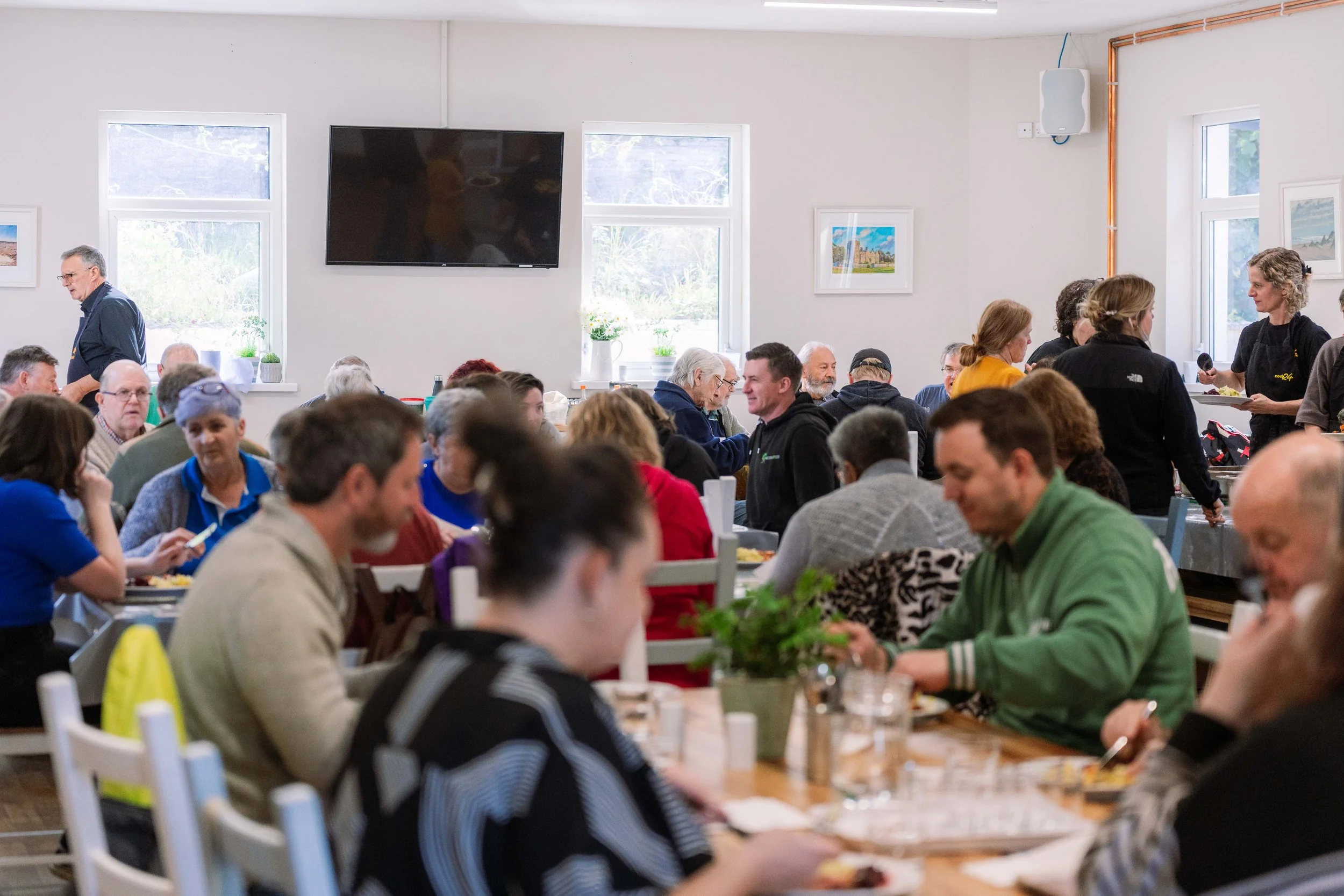
It's more than just food; it's about creating a space for people to come together, share stories, and connect with others
It’s more than just food
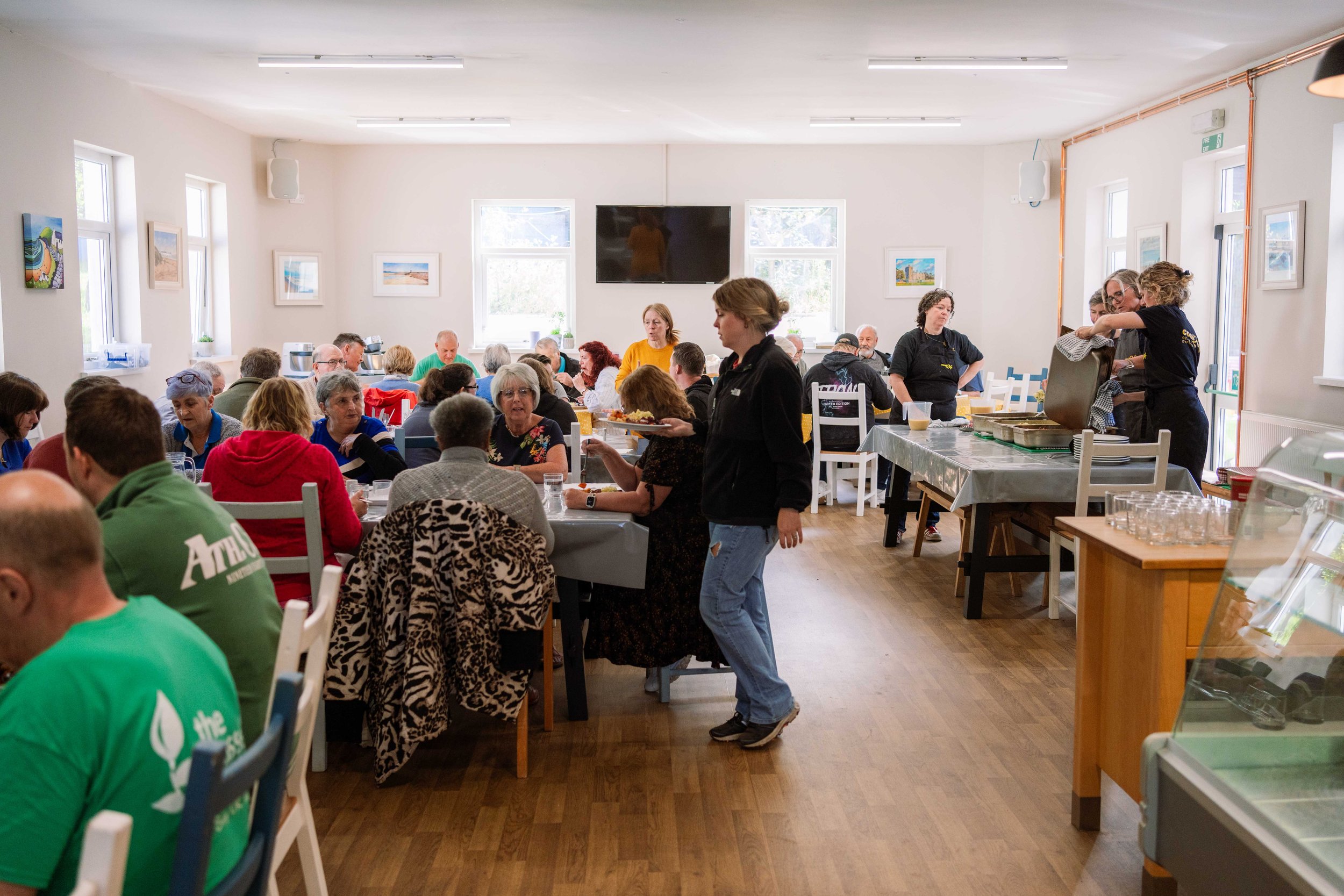
Our Community Meals provide a warm, nutritious meal to anyone in need within a welcoming and supportive environment. It’s more than just food; it’s a space to come together, share stories, and connect with others.
Whether you’re facing financial difficulties or simply looking for companionship, our community meals offer a friendly place to enjoy a meal and build a sense of community. Everyone is welcome, and meals are offered on a pay-what-you-can basis, making it easy for everyone to join and enjoy good food with good company.
How to Get Involved
When:
Join us for a Community Meal, Tuesday - Friday, from 12:30pm-1:30pm.
Cost:
‘PAY WHAT YOU CAN’
Where:
You’ll find us at the Community Table at Myrtle House, 22 Myrtle Terrace, Llanelli, SA15 1LH
No need to call ahead and book, just turn up.
Key features and benefits of the service
Nutritious and Balanced Meals
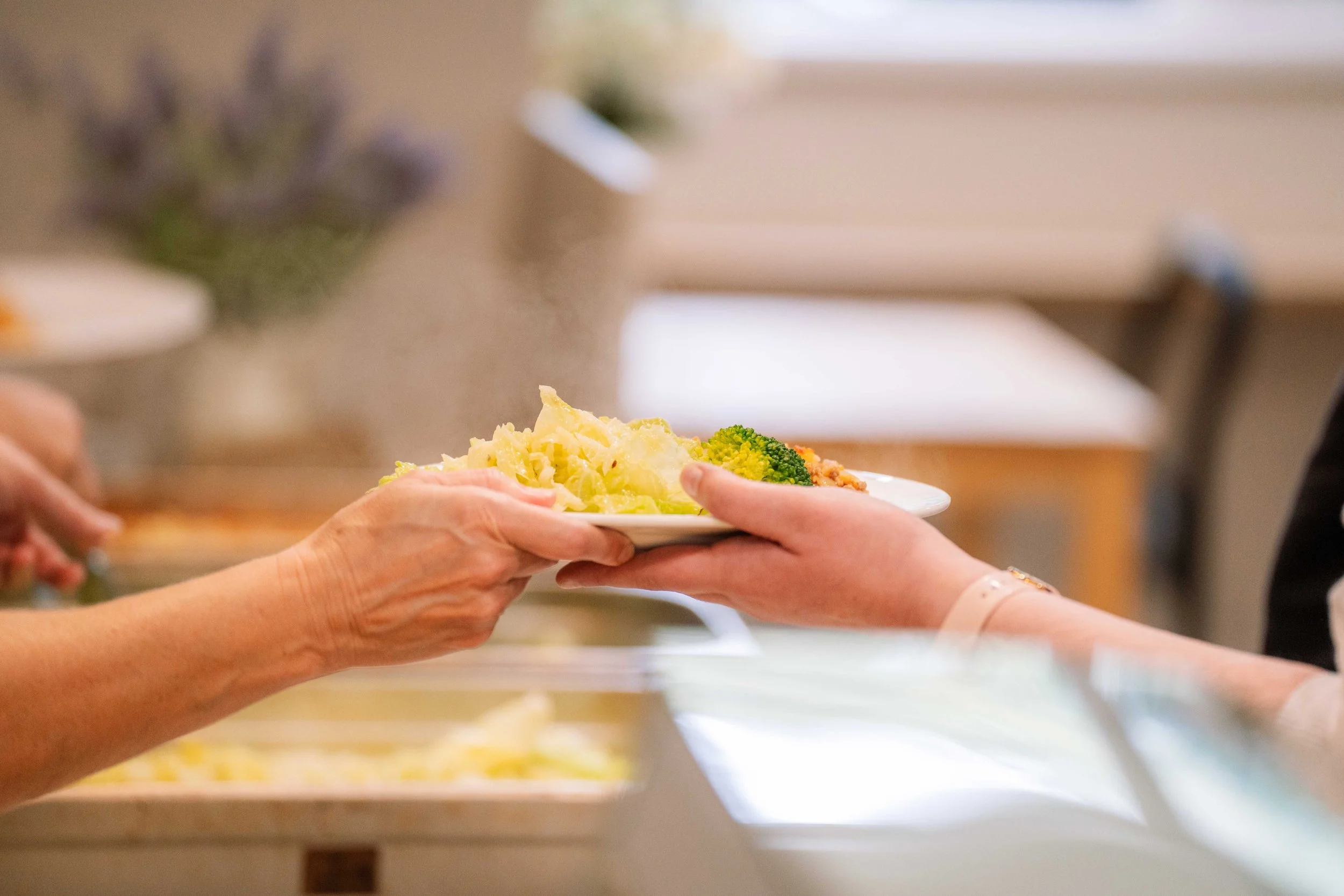
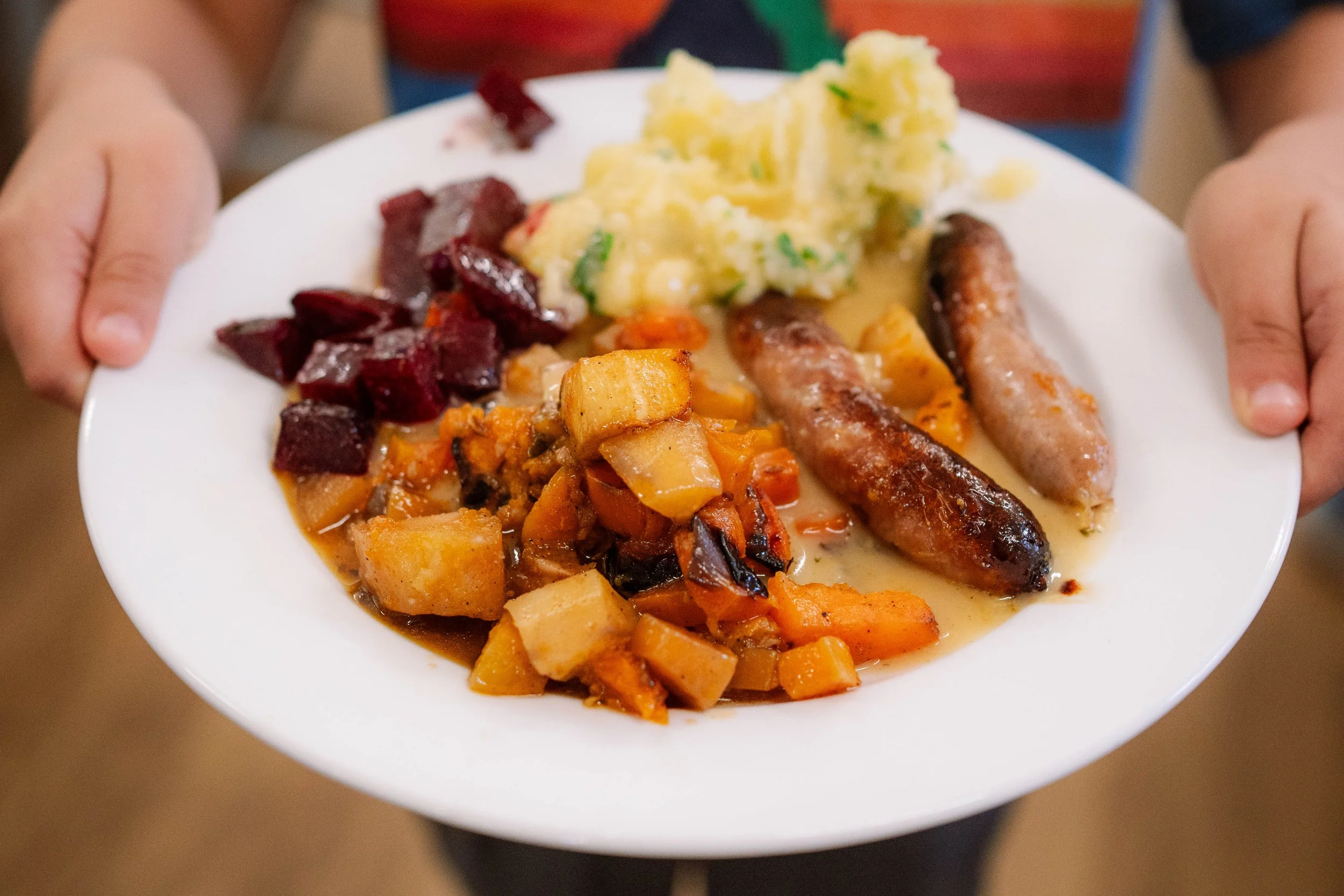
The meals provided are carefully prepared to offer a balanced and nutritious diet, ensuring that recipients receive essential vitamins and minerals that may be lacking due to financial hardship. The service emphasises providing wholesome, healthy food options that can help improve physical health and energy levels.
Varied Menus
The meals served typically include a variety of food groups—proteins, carbohydrates, vegetables, and fruits—designed to meet nutritional needs. This balance is particularly important for individuals who may not have regular access to fresh, healthy food due to financial constraints.
Dietary Accommodations
The meals aim to accommodate dietary needs, offering vegetarian, vegan, and allergy-conscious options whenever possible. This ensures that everyone, regardless of dietary restrictions, can enjoy a nutritious meal.
Warm and Filling
Meals are typically warm and hearty, providing comfort and satisfaction, especially during colder months. The provision of a hot meal can be particularly meaningful for individuals who may not have the means to cook at home due to lack of facilities, energy costs, or ingredients.
Free or Low-Cost Access
The Community Meals are offered free of charge or on a pay what you can basis, ensuring that financial hardship is never a barrier to accessing nutritious food. This approach helps alleviate one of the most immediate consequences of poverty—hunger—while also allowing individuals to preserve their dignity in a supportive, non-judgmental environment.
Free Meals for Those in Hardship
For individuals and families experiencing severe financial difficulties, meals are often provided entirely free of charge. This is particularly important for those who are homeless, unemployed, or facing a sudden financial crisis.
Pay What You Can Options for Others
For those who may not be in immediate crisis but still face financial pressures, meals are offered on a pay what you can basis, allowing them to stretch their budgets while still accessing nutritious food.
Supportive and Welcoming Environment
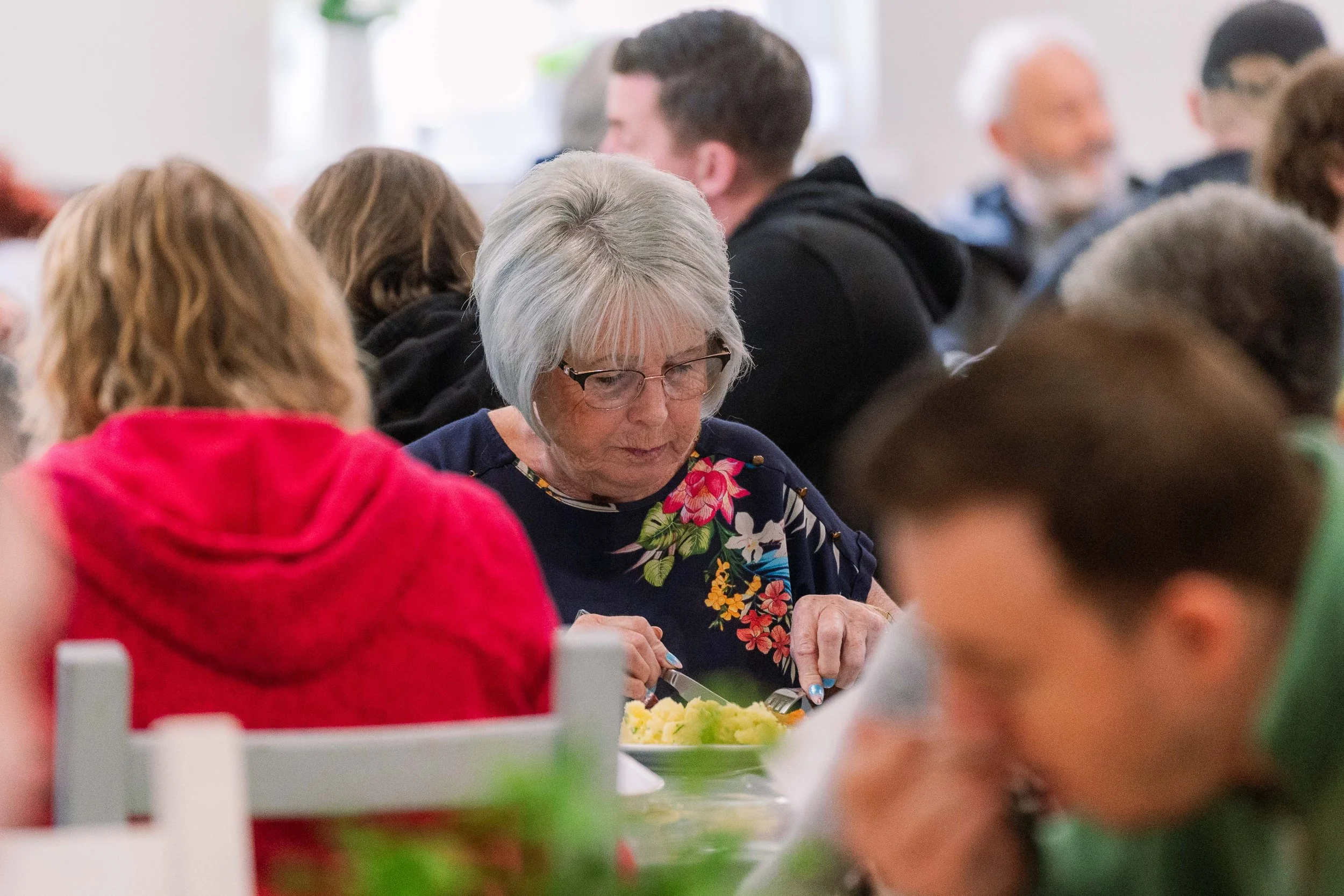
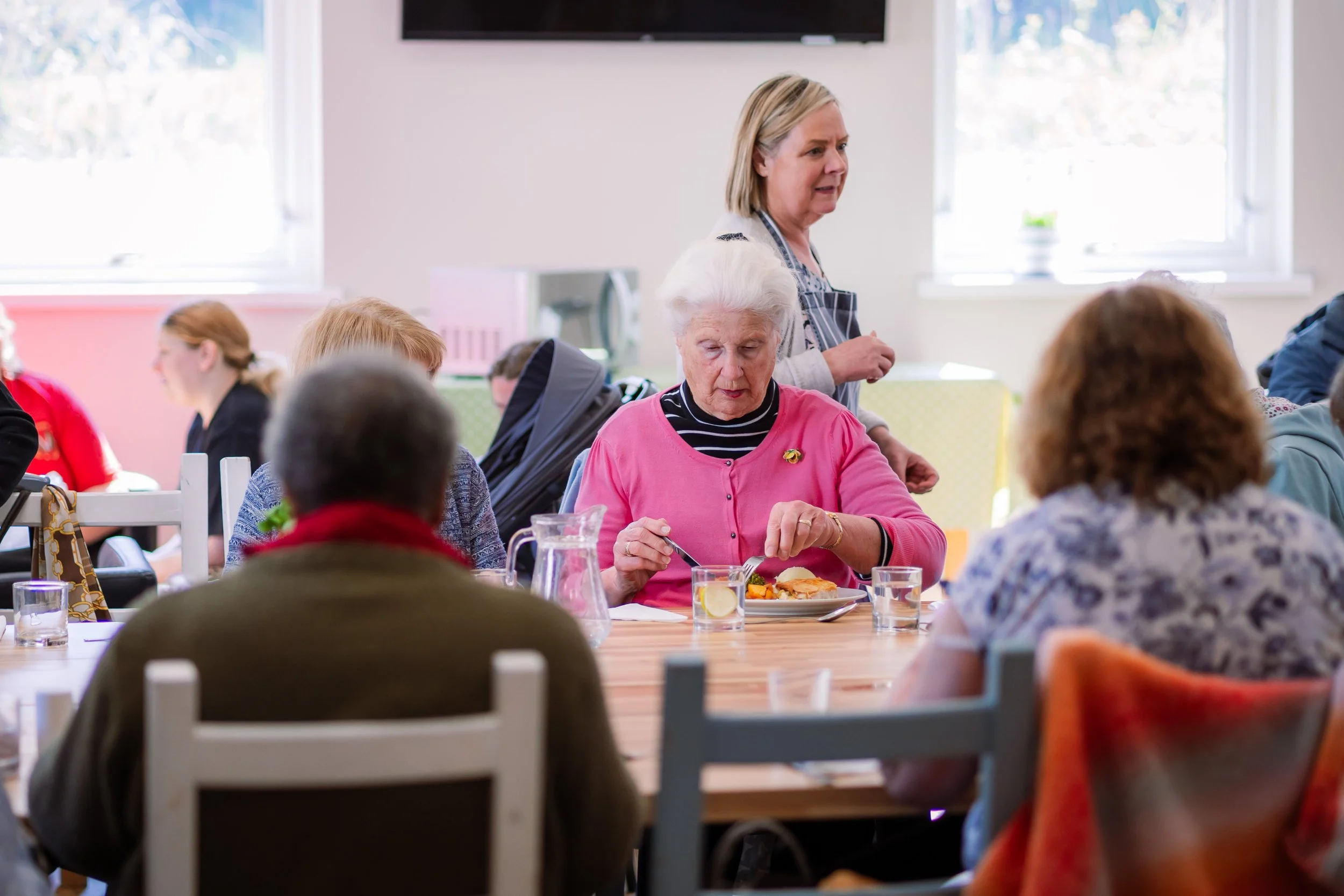
The Community Meals strive to create a warm, welcoming atmosphere where individuals can not only access food but also experience a sense of community and belonging. The meals are not just about nourishment; it’s about providing a space where people feel cared for and valued.
Social Connection
Many individuals who benefit from the meals may be facing social isolation, especially those who live alone, are elderly, or are experiencing homelessness. The communal nature of the meals encourages social interaction, providing an opportunity for people to connect with others and reduce feelings of loneliness.
Non-Judgmental Support
The service is open to anyone, and people are encouraged to come as they are. There is no stigma attached to accessing a meal, and everyone is treated with respect and compassion. The friendly volunteers and staff help foster a sense of acceptance and community.
Emotional Well-Being
In addition to the physical nourishment provided by the meals, the act of sitting down to a meal in a caring, supportive environment can have a positive impact on emotional well-being. For many, it offers a break from the stress and anxiety of financial hardship and an opportunity to feel connected and supported.
Addressing Food Insecurity
Food insecurity is a significant issue for many individuals and families, especially those living in poverty or facing financial instability. The Community Meals help to address this by ensuring that everyone has access to a reliable source of nutritious food, regardless of their financial situation.
Regular Meal Availability
The service is available at regular times each week, offering a consistent source of food for those who may otherwise go hungry. This reliability is crucial for individuals who struggle to access regular meals due to financial constraints or lack of cooking facilities.
Emergency Food Relief
For those in immediate crisis, the meals can provide emergency relief, ensuring that people do not go hungry during periods of extreme financial hardship. This immediate access to food can be a lifeline for those facing homelessness, unemployment, or sudden financial crises.
Reducing Food Waste
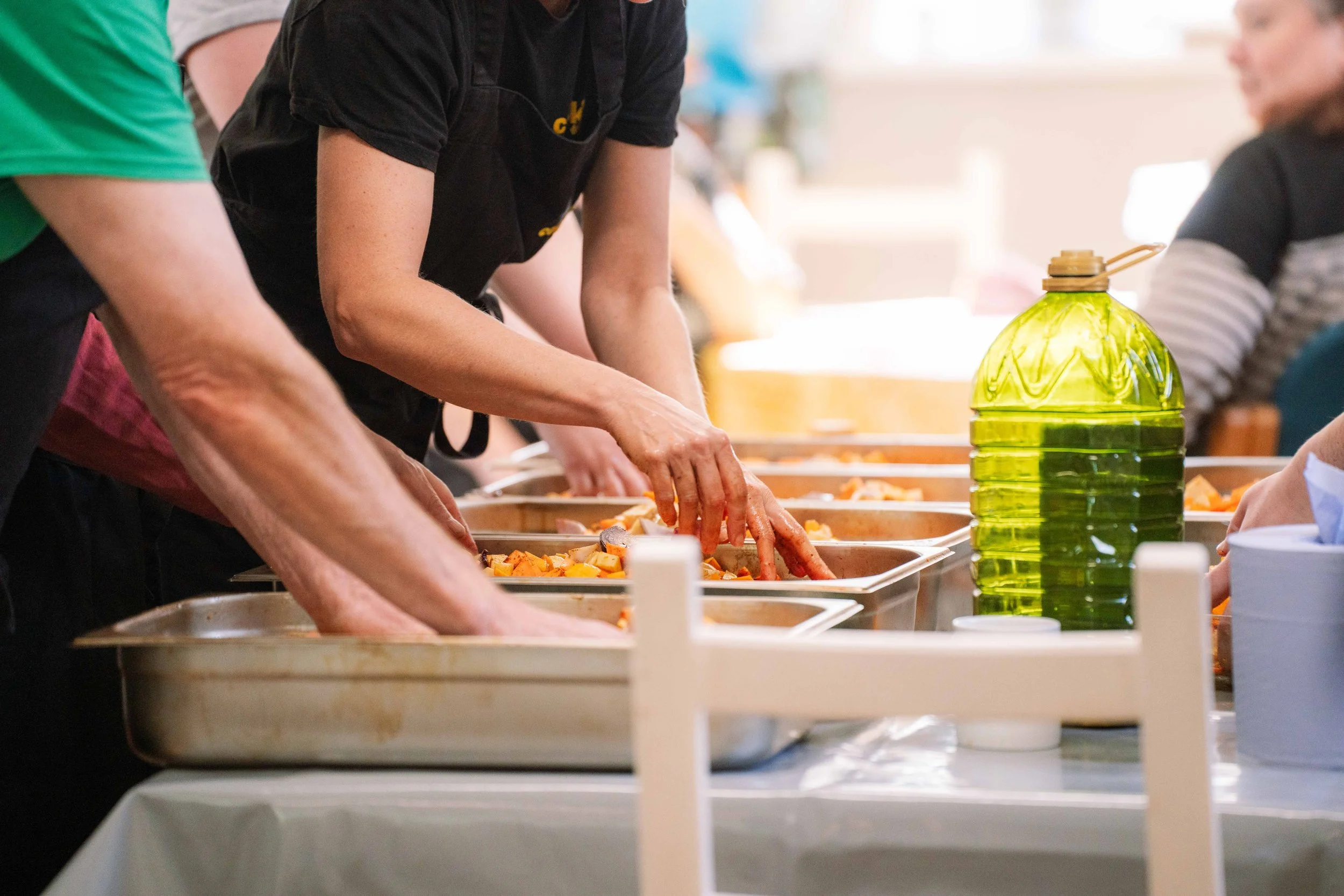
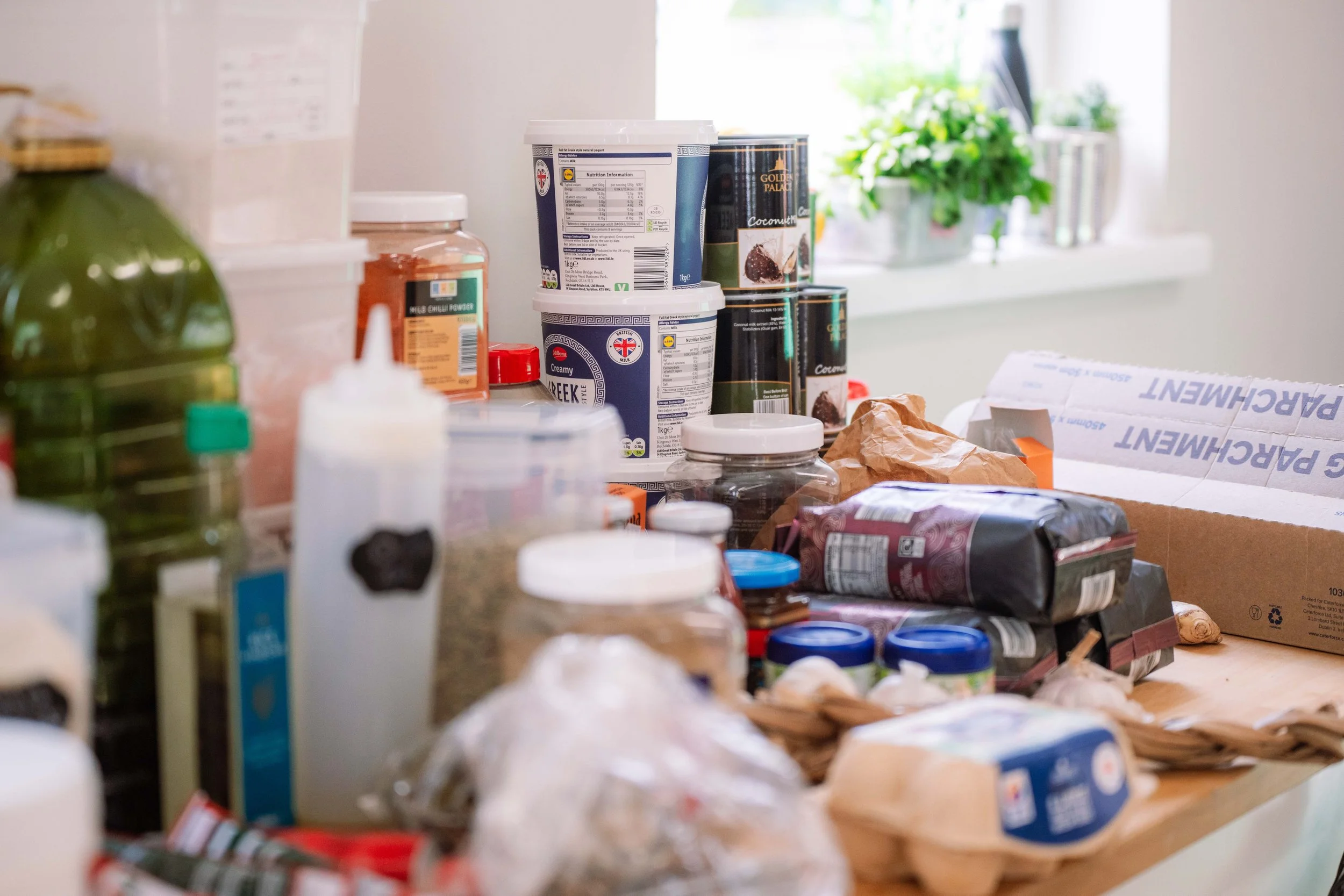
In some cases, the meals make use of surplus food donations from local businesses and food banks, turning food that might otherwise go to waste into nutritious meals. This not only supports the environment but also helps provide additional resources for the community.
Connection to Additional Support Services
The Community Meals also serves as a gateway to other forms of support offered by Myrtle House and accessed through the Community Life Hubs. While individuals come for a meal, they often leave with more—whether it’s access to financial advice, referrals for housing support, or information on mental health services.
Referral to Other Services
Staff and volunteers are trained to listen to the needs of individuals and provide information on other services available at the Community Life Hubs. This might include referrals to the Money Support Project, the Pathways Project, or assistance with accessing food parcels from Llanelli Foodbank.
Holistic Support
The meal service is part of a broader, holistic approach to helping individuals overcome hardship. While the immediate need for food is met, the hubs also work to address the underlying causes of food insecurity, such as unemployment, debt, or housing issues.
Building Trust and Engagement
For many individuals who may be hesitant to seek help, the Community Meals can be an initial point of contact. By providing a friendly, supportive space, the hubs build trust, encouraging people to engage with additional support services that can help them in the long term.
Community Volunteering and Involvement
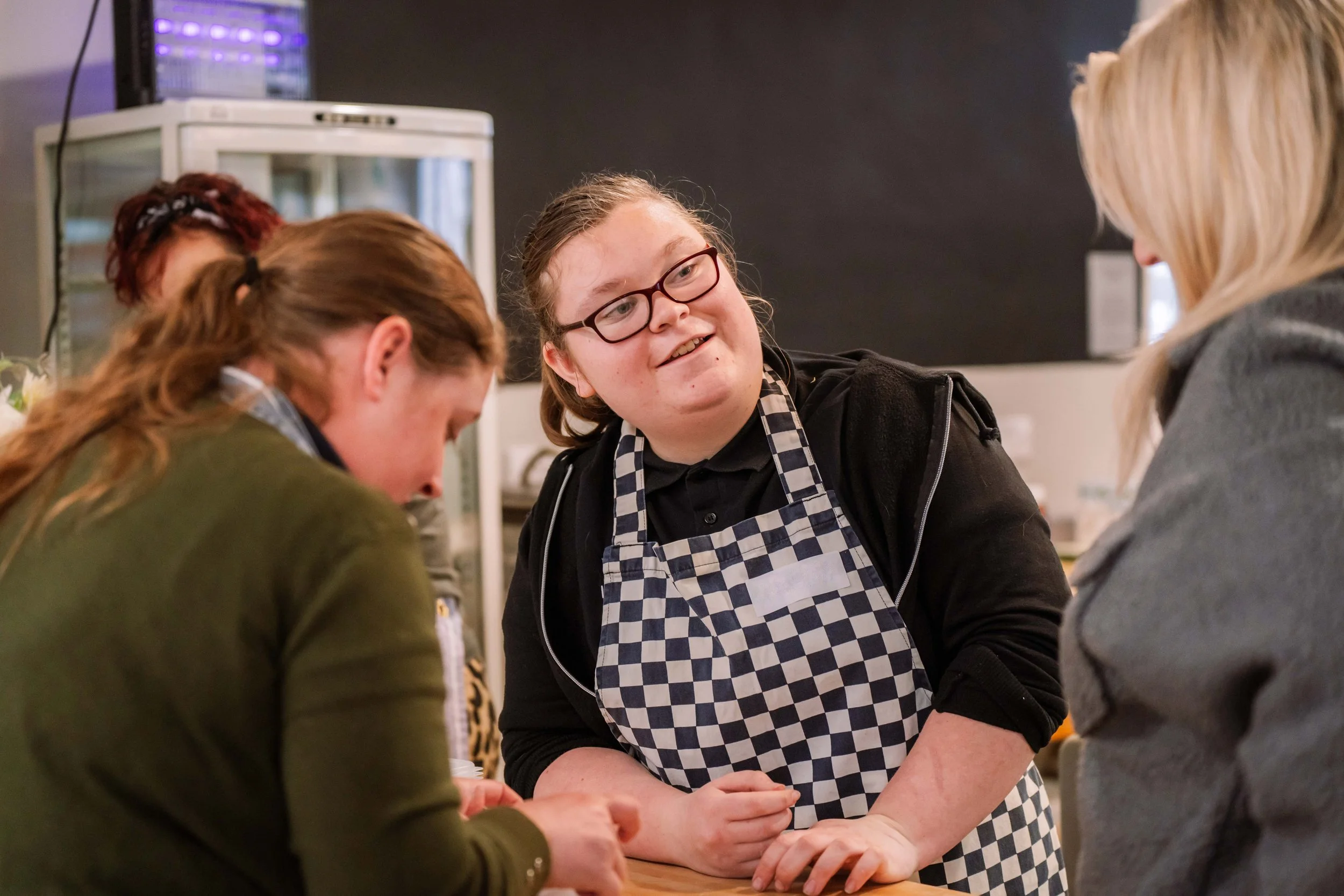
The Community Meals are often staffed by community volunteers, which not only strengthens the service itself but also fosters a sense of communal responsibility and involvement. This aspect of the service provides an opportunity for people to give back to their community while gaining valuable skills and experience.
Volunteer Opportunities
Local community members are encouraged to volunteer, whether by helping prepare meals, serving, or simply offering a friendly ear to those in need. This creates a collaborative atmosphere where the community comes together to support one another.
Skill Building for Volunteers
Volunteering also offers individuals the chance to develop skills in cooking, hospitality, and customer service, which can be beneficial for those looking to gain experience for employment.
Strengthening Community Bonds
By involving local volunteers, the Community Meals help to strengthen community ties, creating a sense of shared purpose and mutual support. This not only benefits those receiving meals but also fosters a more connected and compassionate community overall.
A Place at the Table
The Community Meals provide much-needed relief for individuals and families facing food insecurity and financial hardship. The service not only meets the immediate nutritional needs of vulnerable community members but also plays a crucial role in supporting their emotional and social well-being.
By offering a welcoming, non-judgmental space where people can gather, share a meal, and connect with others, the service fosters a sense of community, belonging, and hope.